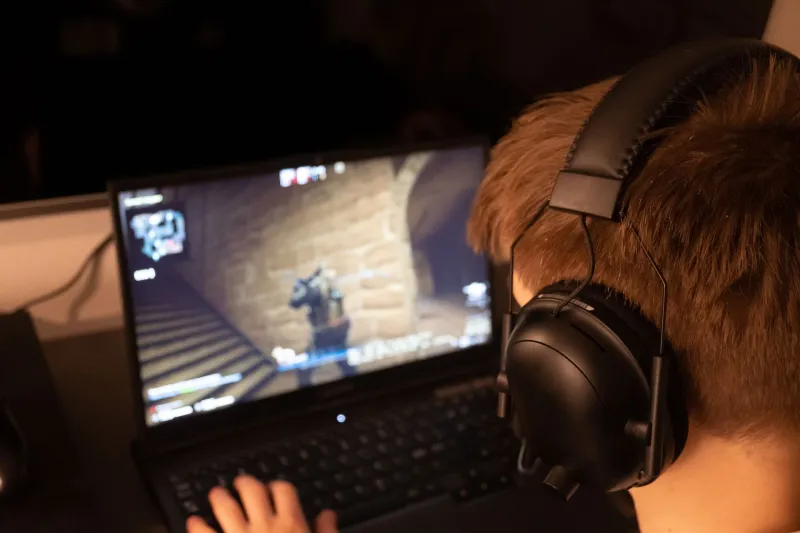
Graveyard Shift, Prime Time Spins: How Night Workers Are Changing the Game

It's 2:47am. The ward is quiet, the security desk is empty, or the last drinks have been called at the pub. For millions of Australians who clock off when everyone else is fast asleep, the night doesn't end — it just changes shape. And increasingly, a big part of that shape involves firing up an online casino and spinning a few reels before the sun comes up.
Australia's night shift workforce is enormous and often overlooked. We're talking nurses, paramedics, mine site workers in the Pilbara and Hunter Valley, long-haul truckies on rest stops, hospitality staff, security guards, and factory workers running overnight production lines. These aren't fringe figures — they represent hundreds of thousands of Australians who operate on a completely inverted schedule. And their relationship with online gaming is unlike anything the industry typically plans for.
The Hours Nobody Else Wants
For the standard nine-to-five crowd, Friday night is peak gaming time. That's well-documented. But for someone finishing a 12-hour nursing shift at 7am, Friday night means nothing. Their "Friday night" might be a Tuesday morning. Their weekend could fall mid-week. The rhythms that govern most Australian gaming habits — pay cycles, football finals, public holidays — still apply, but they land differently.
What this creates is a genuinely distinct gaming pattern. Night shift workers are often logging on during hours when platform traffic is at its lowest, which means less server load, sometimes smoother gameplay, and a quieter, more solitary experience. There's no chat room buzzing with Saturday arvo energy. It's just them, the glow of a screen, and whatever's on the pokie reels.
That solitude is actually a key driver. The graveyard shift is lonely. Whether you're monitoring CCTV footage at 3am or waiting between patient checks, there are long stretches of downtime where you need something to fill the silence. Online gaming — particularly pokies, which require low cognitive commitment but deliver consistent stimulation — fits that gap almost perfectly.
What Sleep Deprivation Actually Does to Your Betting
Here's where things get worth paying attention to. Sleep deprivation doesn't just make you tired — it actively changes how your brain processes risk. Studies consistently show that people running on minimal sleep become more impulsive, less accurate at assessing probability, and more emotionally reactive to losses. In a gaming context, that's a combination that can cause real problems.
A nurse finishing her third consecutive night shift isn't in the same decision-making headspace as someone who's had eight hours and a decent brekkie. Her prefrontal cortex — the part of the brain that pumps the brakes on impulsive decisions — is running on fumes. That doesn't mean she's going to blow her rent money, but it does mean the usual discipline around bankroll management gets harder to maintain.
This is something night shift players genuinely need to factor in. Setting strict session limits before you sit down — not in the moment when you're already tired and a little wired from your shift — is one of the smartest things you can do. Write it down if you have to. Decide your limit when you're fresh, not when you're running on your fourth coffee and the adrenaline comedown from a hectic ward.
The Social Angle Nobody Talks About
Night shift workers often describe a particular kind of social isolation that's hard to explain to people who've never experienced it. You're awake when your mates are asleep. You miss birthdays, barbecues, and Sunday sessions. Group chats go quiet just as your shift starts. It's a weird, persistent disconnection from normal social rhythms.
Online gaming, for many of these workers, partially fills that gap. Even the ambient experience of being on a live casino platform — seeing dealer interactions, watching game outcomes tick over — provides a low-key sense of connection. Some players specifically gravitate toward live table games during off-peak hours precisely because there's a human element, even if it's a dealer in a studio somewhere in Europe rather than a mate across a card table.
That said, it's worth being honest about the difference between genuine connection and a substitute for it. Gaming can be a perfectly fine way to unwind after a difficult shift. But if it's consistently your only social outlet, that's a signal worth heeding.
How Platforms Could — and Should — Be Doing Better
Here's a quiet truth the industry doesn't advertise: most online casino platforms are designed around peak-hour, peak-energy users. Promotions drop on Friday afternoons. Bonus offers are tied to weekend play. Notifications are calibrated for the 6pm-to-midnight crowd.
For night shift workers, this means they're often playing outside the promotional windows, missing reload bonuses that expire before their "weekend" begins, and navigating platforms that weren't really built with their schedule in mind.
A genuinely player-aware platform would think about this differently. Flexible bonus timing, session reminder tools that account for fatigue, and even simple features like a "cooling off" prompt after a certain number of hours logged — these aren't radical concepts. They're the kind of thoughtful design that acknowledges not all players are sitting down after a standard workday.
At Wolf Winner, the conversation around responsible gaming tools is ongoing, and it's one that should absolutely include the reality of who's actually playing at 3am on a Wednesday.
Patterns Worth Knowing If You Work Nights
If you're a shift worker who enjoys a spin after clocking off, a few practical habits are worth building into your routine:
Set your limits before your shift ends. Don't wait until you're already home and restless. Decide your session cap while you're still sharp.
Treat post-shift gaming like post-shift eating. You wouldn't smash a massive meal right before trying to sleep (well, ideally). Gaming can wire you up in a similar way — adrenaline from a win or frustration from a loss isn't exactly a lullaby. Know when to close the tab.
Use the tools that are already there. Deposit limits, session timers, reality checks — these features exist on reputable platforms for a reason. Night shift workers, given the fatigue factor, have more reason than most to actually use them.
Don't chase the shift. After a rough night at work, there's a temptation to want a big win to balance things out emotionally. That's one of the clearest loss-chasing triggers there is. Recognise it for what it is.
The Shift That's Already Happened
Australia's night shift workforce has been playing online pokies and casino games for years. They've built their own quiet culture around it — different peak times, different motivations, different risks. The industry is only just beginning to catch up with that reality.
For the workers themselves, awareness is the first step. Knowing that your 3am headspace isn't your sharpest, that loneliness can nudge you toward longer sessions, and that the promotional calendar wasn't built for your schedule — that knowledge matters. It's the difference between gaming as a genuine wind-down and gaming as a habit that quietly compounds.
The graveyard shift crew deserves platforms that see them clearly. Until that fully arrives, they're better off seeing themselves clearly first.