Phantom Tells: Why Aussie Pub Poker Stars Are Getting Eaten Alive Online
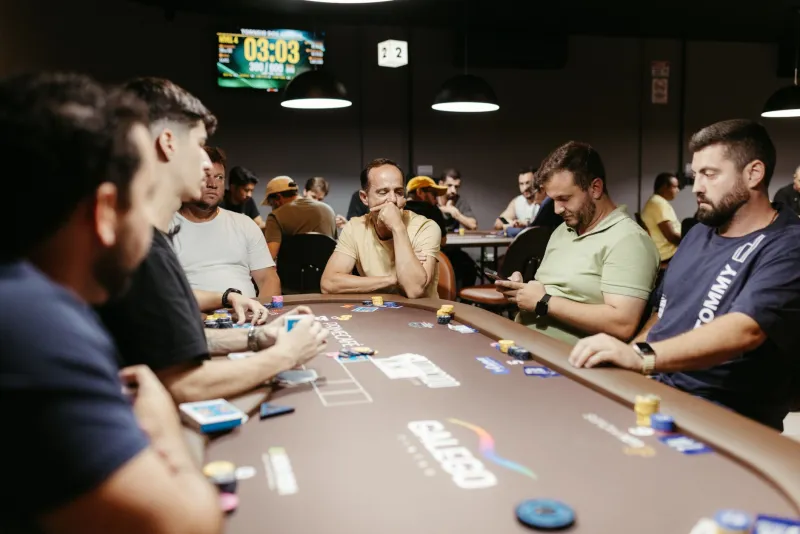
There's a certain type of Aussie poker player you've probably met. Confident, sharp-eyed, the kind of bloke or sheila who can spot a nervous twitch from across a crowded table at the local bowlo. They've built their game on years of reading faces, tracking breathing patterns, and picking up on the tiny physical cues that give opponents away. They move to online poker, expecting to dominate — and then they get absolutely smashed.
It's not a rare story. It plays out constantly across Australian online gaming platforms, and the reasons behind it are more interesting than most players want to admit.
The Myth of the Transferable Read
Live poker intuition is genuinely valuable. Nobody's arguing that reading people is a useless skill. The problem is that online poker strips away almost every physical signal that skill relies on. There's no eye contact, no posture shifts, no tells in the way someone stacks their chips or reaches for their drink. What's left is a username, a bet size, and a timer ticking down.
Aussie players who've sharpened their instincts in live settings often arrive online with what psychologists might call an overconfidence bias — a quiet but dangerous belief that their people-reading abilities will translate into pattern recognition at a digital table. They look for the same emotional signals in a betting pattern that they'd look for in a facial expression. And here's the thing: sometimes they find them. Or at least, they think they do.
That's where the real trouble starts.
Digital Tells Are Real — But They're Not What You Think
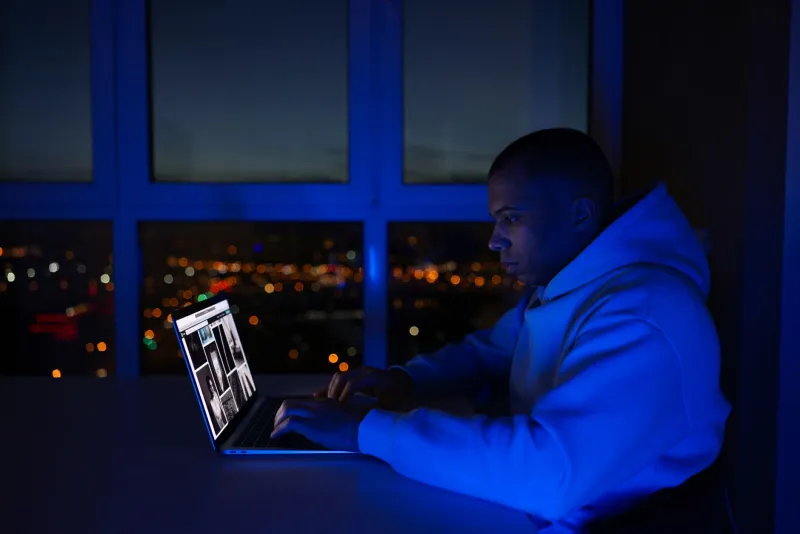
Online poker does have tells. Experienced grinders will tell you that timing, bet sizing, and action frequency carry genuine information about an opponent's hand strength and tendencies. But these signals are statistical and behavioural, not emotional. They require data collection across dozens or hundreds of hands, not a gut feeling formed in the first few minutes of a session.
The Aussie pub player who's used to making fast, instinct-driven decisions often mistakes noise for signal. They notice that a player paused before betting and interpret it as hesitation — a sign of weakness. In reality, that pause might mean the player got a phone notification, or they're multi-tabling and were busy elsewhere, or they simply have a slow internet connection. Without a face to anchor the interpretation, the mind fills in the blanks with whatever narrative feels most compelling.
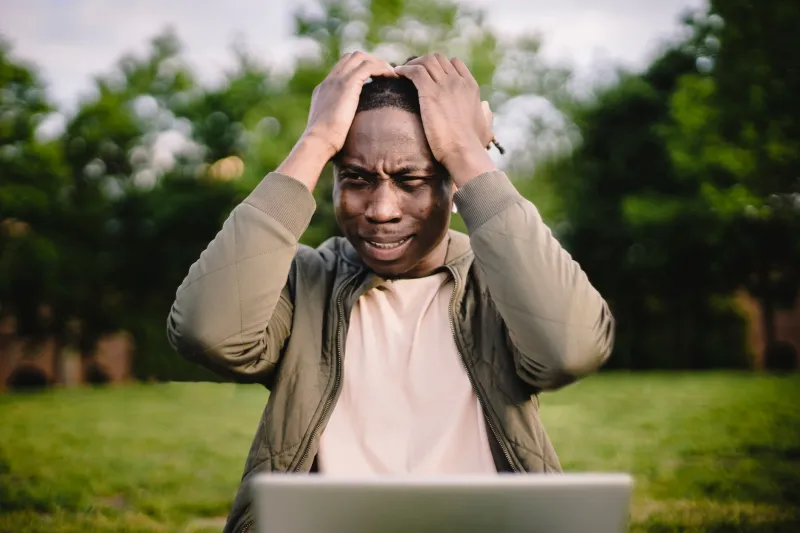
And when you're running hot, that narrative feels like genius. When you're running cold, you've just bluffed off three buy-ins chasing a read that was never there.
The Speed Problem Nobody Talks About
Live pub poker in Australia tends to move at a comfortable pace. There's banter, there's time to think, there's a social rhythm that lets players settle into their reads over multiple hands. Online poker operates on a completely different clock. Decisions happen faster, tables move quicker, and the volume of hands per hour can be three to four times what you'd see in a live setting.
That speed is brutal for players who rely on intuitive processing. When you're forced to make decisions rapidly without the physical cues you've trained yourself to rely on, you default to pattern recognition — and if your patterns are based on live poker logic, you're essentially running the wrong software on a different operating system.
The result is a cascade of small errors that compound quickly. Bluffs fired into spots that don't make mathematical sense. Calls made because something "felt off" about how the bet landed. Folds driven by a vague sense that the opponent "seemed confident" — a judgment that has no meaningful basis when all you can see is a cartoon avatar and a username like PerthShark88.
Why Experienced Players Are Sometimes the Most Vulnerable
This is the counterintuitive part. You might expect that raw beginners would struggle most with the transition to online play. And sure, they have their own challenges. But seasoned live players often have a harder time adapting because they have more to unlearn.
A newer player approaches an online table with appropriate humility. They know they don't have all the answers, so they're more likely to focus on fundamentals: pot odds, position, hand ranges. An experienced pub player arrives with a fully formed identity as a "reader of people" — and that identity becomes an obstacle. It's hard to let go of a skill set that's genuinely won you money, even when the environment has changed completely.
There's also a social element worth considering. Australian pub poker culture is deeply embedded in personality and presence. The banter, the table talk, the psychological sparring — it's all part of the game. Online, that dimension simply doesn't exist in the same way. Some players find that disorienting in ways they can't quite articulate, and that disorientation quietly undermines their decision-making without them realising it.
What Actually Works Online
Adapting successfully to online poker means accepting a fundamentally different model of information. Instead of reading a person, you're reading a history. Position-based thinking, hand range construction, and bet-sizing logic become the primary tools. Software tracking, note-taking features, and HUDs (heads-up displays, where available) replace the physical observation that live players depend on.
It also means embracing variance in a more deliberate way. Online poker exposes you to more hands, which means more swings in both directions. Players who've built their confidence on a handful of memorable live reads can find the statistical reality of online play genuinely unsettling — because the sample sizes are bigger, the truth about your win rate becomes harder to avoid.
The players who make the transition successfully tend to be the ones willing to treat online poker as a new discipline rather than an extension of what they already know. They study hand histories, think in probabilities, and resist the urge to invent emotional narratives around betting patterns that are better explained by math.
The Honest Takeaway
There's nothing wrong with being a sharp live poker player. That skill is real and it's earned. But the online game rewards a different kind of intelligence — one that's more analytical, more patient, and less reliant on the immediate, physical feedback loop that makes live poker feel so intuitive.
Aussie players who crash and burn online aren't failing because they're bad at poker. They're failing because they're playing a different game with the wrong rulebook. Recognising that gap is the first step to actually closing it — and once you do, the online tables start to look a lot more like opportunity than mystery.